
CNC Turning
Precision CNC turning for cylindrical metal parts, threads, tapers and serial production with driven tools, stable repeatability and tight tolerances.
Page Content
Introduction to CNC Turning
CNC turning is a metal machining process used for producing high-precision cylindrical parts. Computer-controlled lathes ensure stable and repeatable manufacturing of components with tight tolerances. The lathes in our machine park support both turning and milling operations along the C and Y axes. Driven tools make it possible to perform various milling and drilling operations which, combined with turning, enable efficient production of highly complex parts.
The CNC turning method is used to machine cylindrical parts by removing material from a rotating workpiece using a cutting tool controlled by a CNC system.
It is most commonly used for the production of:
- shafts and spindles
- bushings and bearing seats
- threaded elements
- flanges
- precision cylindrical components
- parts with tapered or profiled surfaces
CNC turning enables operations such as:
- external and internal turning
- drilling and hole enlargement
- thread cutting
- grooving
- taper and profile turning
Thanks to numerical control, this process ensures high precision, repeatability and stable quality, which is why it is widely used for manufacturing parts for the mechanical, automotive, medical and electrical industries.
CNC turning offers an optimal balance between production speed and precision, making it ideal for prototypes, small batches and high-volume production.
CNC Turning Services
Precision Turning of Cylindrical Parts
We manufacture various types of cylindrical components based on technical documentation or sample parts. Special attention is given to dimensional accuracy, surface finish and part functionality in operation.
Threading and Tapered Elements
CNC turning enables the production of external and internal threads, as well as special tapered geometries used in mechanical and energy systems.
Machining of Complex Turned Components
Live tooling, that is, driven tools, enables material machining with milling cutters and other tooling for the production of irregular forms. Combined with advanced CAM software, multi-axis machining on our CNC lathes provides a competitive advantage over conventional turning processes.
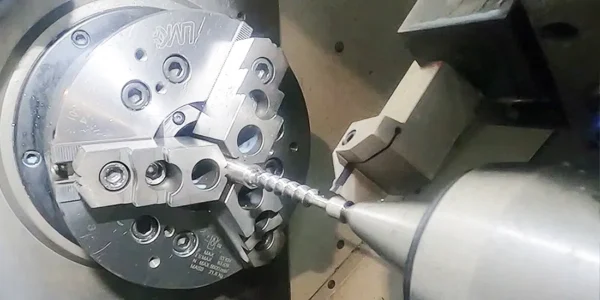
Production of external and internal threads by CNC turning.
Serial Production
Thanks to automated processes, we provide stable serial production with full repeatability of dimensions and quality.
Materials for CNC Turning
The CNC turning process is adapted to the material type, its hardness and the intended use of the final product. Machining is carried out through the optimal selection of tools and cutting parameters.
We most commonly machine structural steels, stainless steel, aluminum, brass, copper and special alloys intended for industrial applications.
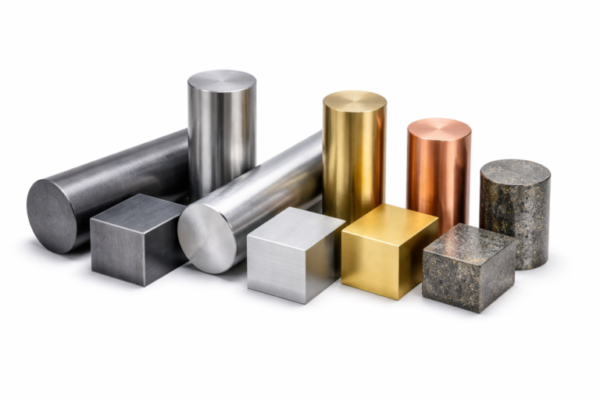
Different materials prepared for CNC turning.
CNC Machines and Production Capabilities
Production is carried out on modern high-precision CNC lathes that allow machining of simple and complex cylindrical parts, with milling capability along the Y and C axes. Automated tool changes and machining stability ensure consistent quality.
Our capabilities are suitable for single components, prototypes and medium production batches, while maintaining reliable delivery times.
HDDSMachining provides CNC turning services on modern CNC lathes:
- HAAS ST10Y
- HAAS ST20SSY
- HAAS ST30Y
- John Ford – SL40
with 3.5-axis turning and milling capability.
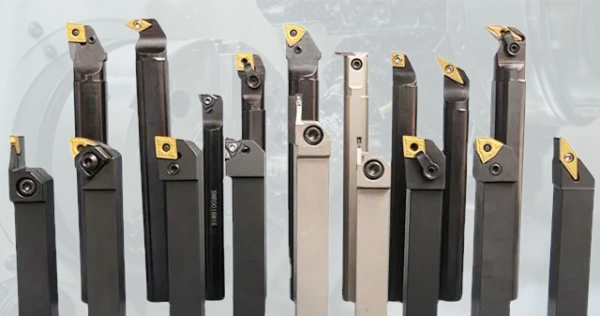
Cutting tools for precise CNC turning and milling of metal parts.
Industries We Serve
Components produced by CNC turning are used in mechanical engineering, energy, aerospace, automotive, process equipment, industrial automation, medicine, construction, packaging industry and robotics. High precision and part reliability are essential for a high-quality final product.
Cooperation Process
- Submission of technical documentation
- Machining technology analysis
- Quotation preparation
- CNC production
- Quality control
- Delivery of finished components
Quality Control and Tolerances
Quality control is performed throughout all machining stages, including the measurement of dimensions, tolerances and surface finish. This ensures full compliance with technical documentation.
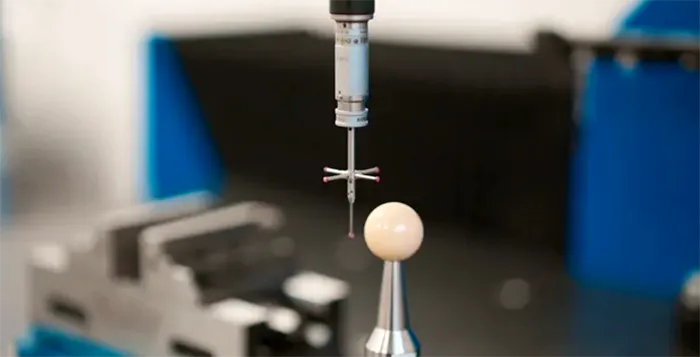
Quality control in CNC metal machining.
Machines We Use for CNC Turning
For CNC turning, we use modern CNC lathes from our machine park, intended for the precise production of machine parts in different dimensions. This equipment enables stable manufacturing, high repeatability and efficient machining of both individual parts and serial components for a wide range of industrial applications.
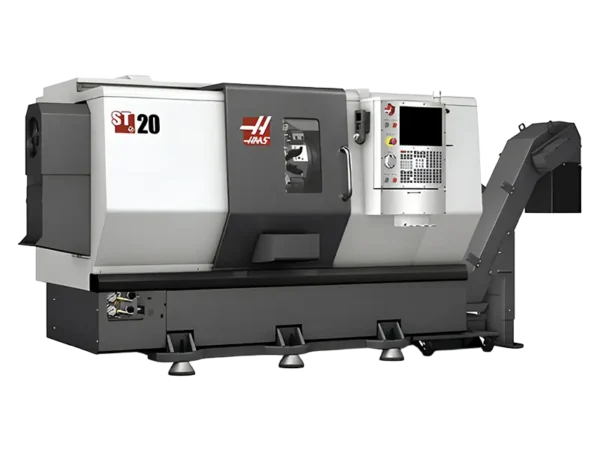
HAAS ST-20SSY CNC lathe for precise serial machining of machine parts
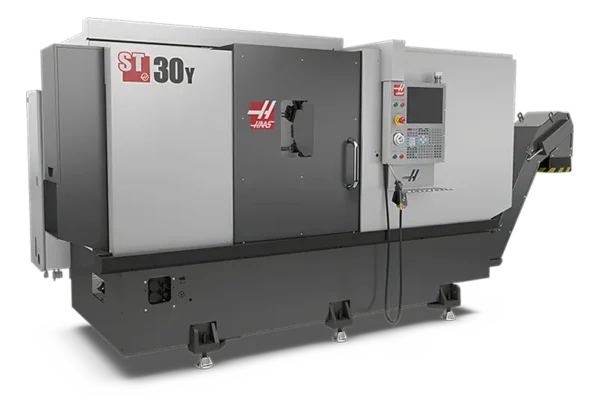
HAAS ST-30Y CNC lathe for machining larger and longer cylindrical parts
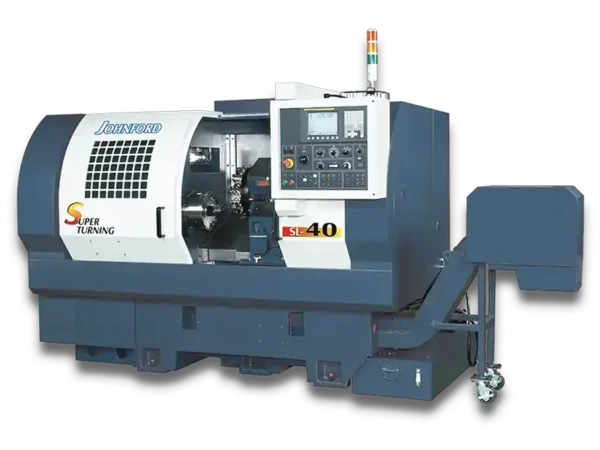
JOHN FORD SL-40 CNC lathe for machining larger cylindrical machine parts
Frequently Asked Questions
What is CNC turning used for?
CNC turning is used for machining cylindrical metal parts with high precision. It is commonly used for shafts, bushings, threaded elements, flanges, bearing seats and other rotational components that require stable dimensions and repeatable quality.
Which parts can be manufactured by CNC turning?
CNC turning is suitable for manufacturing shafts, sleeves, bushings, flanges, threaded parts, tapered elements and other cylindrical components. With driven tools and additional axes, more complex parts can also be produced in a single setup.
Which materials can be machined by CNC turning?
We commonly machine structural steels, stainless steel, aluminum, brass, copper and special industrial alloys. The machining process is adapted to the material type, hardness and final application of the part.
Do you offer prototypes and serial production in CNC turning?
Yes. CNC turning is suitable for single prototypes, small batches and serial production. Modern CNC lathes enable stable repeatability, efficient production and consistent quality across different production volumes.
How do you ensure quality in CNC turning?
Quality control is carried out throughout all machining stages by checking dimensions, tolerances and surface finish. This ensures that finished parts fully comply with technical documentation and required production standards.
Send Us Your Drawing for a Quote
Send us your technical drawing or 3D model and you will receive a quote as soon as possible.
office@hddsmachining.com