
EDM Machining
Precision EDM machining for hard materials, complex contours, sharp internal corners and high-accuracy metal components.
Page Content
What Is CNC EDM Machining?
CNC EDM machining (Electrical Discharge Machining) is a metal machining process that uses controlled electrical discharges to remove material without mechanical contact. This makes it ideal when high precision, sharp internal corners, complex contours or the machining of very hard materials is required.
EDM is often used in toolmaking and mold production, but also in all cases where conventional CNC milling and CNC turning become inefficient or too expensive due to material hardness or complex geometry.
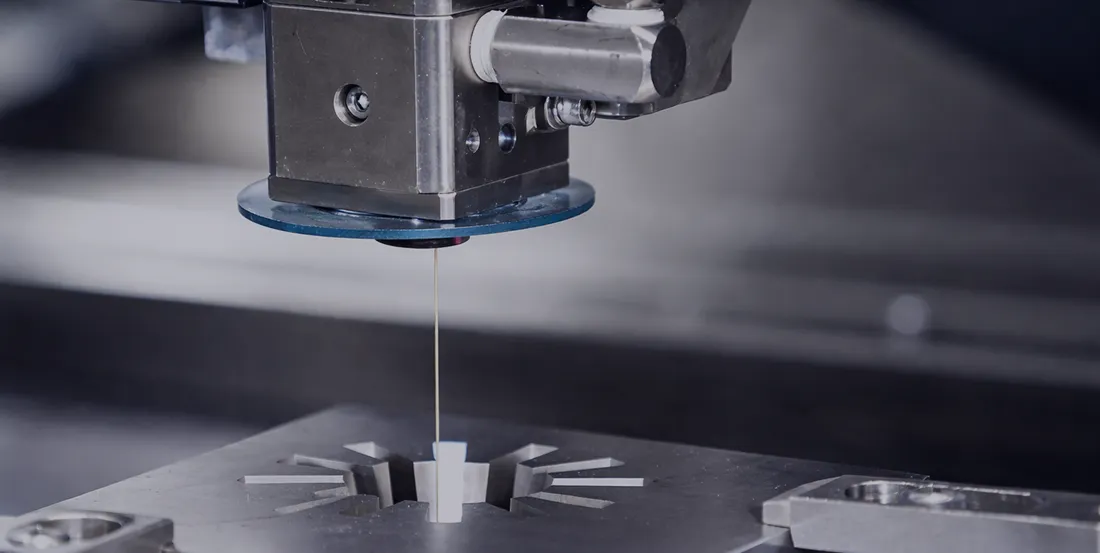
CNC EDM machining of metal in process – precise machining without mechanical contact.
Types of EDM Machining
In practice, two methods are most commonly used: Wire EDM and Sinker EDM (also called Ram EDM). The choice of method depends on part geometry, required tolerances and the type of task, whether contour cutting or the creation of cavities and recesses.
Wire EDM
Wire EDM uses a thin metal wire, usually brass, as the electrode for precise contour cutting. The part is immersed in dielectric fluid and the cut is formed through electrical discharges between the wire and the workpiece. Wire EDM is used for precise manufacturing of plates, inserts, dies and parts with fine radii and high accuracy requirements.
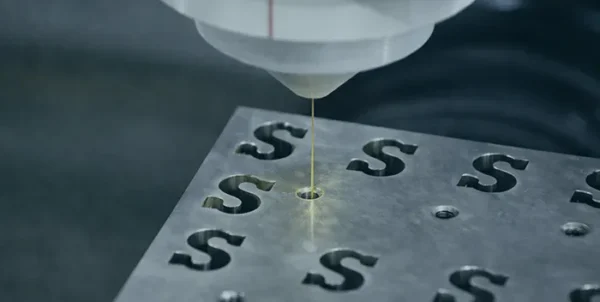
Precision cutting of complex shapes by wire EDM.
Sinker EDM
Sinker EDM uses a shaped electrode, typically graphite or copper, to reproduce geometry inside the material. This method is especially suitable for manufacturing molds, cavities, engravings and details that require high precision in depth, as well as stable surface quality.
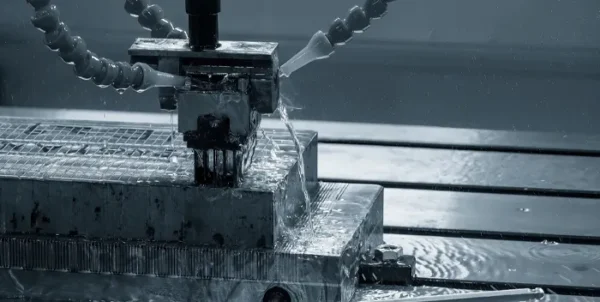
Sinker EDM: an electrode in dielectric fluid enables precise shaping of cavities, sharp corners and details in hardened materials.
When EDM Is the Best Choice
EDM is often the best option when machining requirements are specific and outside the practical range of conventional machining methods:
- Hardened and tool steels – machining high-hardness materials without tool load.
- Complex contours – precise internal geometries and fine profiles.
- Sharp internal corners – where milling is limited by tool radius.
- High repeatability – stable tolerances for serial production of tools and precision components.
In practice, EDM is often combined with CNC milling and CNC turning: rough machining is performed using CNC methods, while final details, tight tolerances and sharp corners are completed by EDM.
Materials for EDM Machining
CNC EDM machining is used on electrically conductive materials. We most commonly machine:
- tool and structural steels, including hardened steels,
- stainless steel,
- titanium and titanium alloys,
- aluminum and non-ferrous metals when EDM is justified,
- special alloys used in toolmaking.
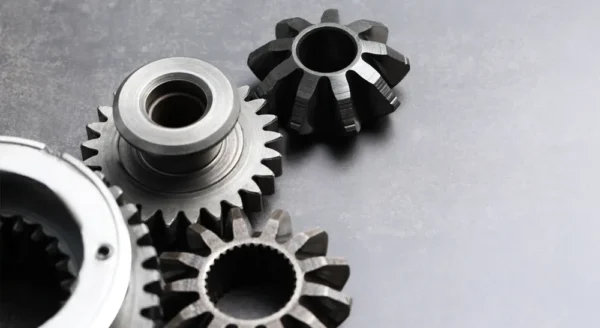
Different materials prepared for CNC milling.
Materials for CNC EDM machining – steels, stainless steel, titanium and industrial alloys.
Applications and Industries
EDM is a standard process in toolmaking, but it is also widely used in other industries where tight tolerances and specific geometries are required:
- Toolmaking and mold manufacturing – inserts, dies, segments and engravings.
- Automotive industry – precision components and production tooling.
- Mechanical engineering – mechanism elements and custom parts based on technical drawings.
- Industrial automation – brackets, system components and precision parts.
- Medical equipment – precision metal parts depending on project requirements.
Cooperation Process
To ensure fast and accurate quoting and execution, we follow a clear process:
- Send us your drawing or 3D model (STEP, IGES, DWG, DXF) together with tolerance and surface finish requirements.
- Feasibility analysis – proposal of the most suitable machining technology.
- Quotation and lead times – definition of price, batch size, material and quality control requirements.
- Material procurement
- Production – EDM machining with process control.
- Quality control – dimensional and tolerance inspection.
- Delivery – packaging and logistics as agreed.
Quality Control and Tolerances
Quality control is carried out during and after machining. Especially in EDM, stable tolerances and surface finish quality are critical for molds, tooling and precision assemblies. When required, we define critical dimensions and inspection points in accordance with technical documentation.
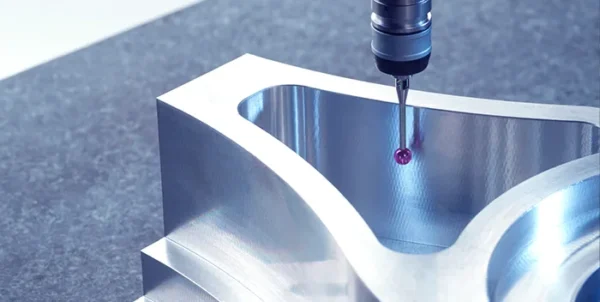
Quality control after CNC EDM machining includes precise measurement of dimensions, tolerances and surface finish using CMM equipment and precision measuring instruments.
Machines We Use for EDM Machining
For CNC EDM machining, we use the Mitsubishi MV1200-S M800 Wire EDM machine, intended for precise machining of hard materials and the production of complex contours. This technology enables the manufacturing of parts with demanding accuracy requirements, fine geometries and stable machining quality.
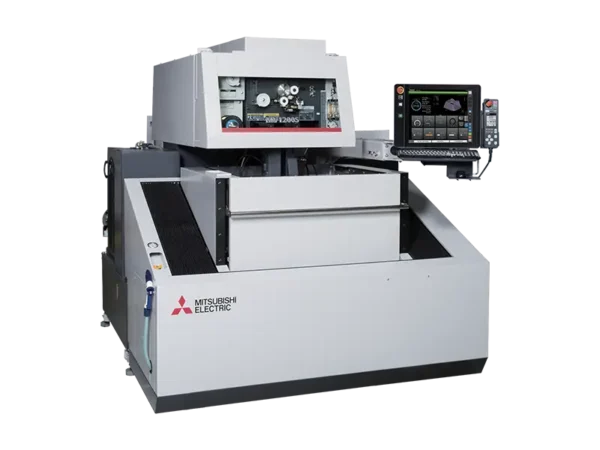
Mitsubishi MV1200-S M800 wire EDM machine for precision CNC EDM machining.
Frequently Asked Questions
What is EDM machining used for?
EDM machining is used for precise machining of hard conductive materials, complex contours, sharp internal corners and parts with demanding tolerance requirements. It is especially useful when conventional machining methods become inefficient or impractical.
What is the difference between wire EDM and sinker EDM?
Wire EDM uses a thin wire electrode for precision cutting of contours and profiles, while sinker EDM uses a shaped electrode to create cavities, recesses and detailed internal geometries inside the material. The choice depends on part geometry and machining requirements.
Which materials can be machined by EDM?
EDM machining can be applied to electrically conductive materials. We most commonly machine tool steels, hardened steels, stainless steel, titanium, aluminum and special industrial alloys, depending on project requirements.
When is EDM a better choice than CNC milling or turning?
EDM is often the better choice when machining very hard materials, sharp internal corners, fine contours or complex geometries that are difficult, inefficient or too expensive to achieve by conventional CNC milling or turning.
How do you ensure quality in EDM machining?
Quality control is carried out during and after EDM machining by checking dimensions, tolerances and surface finish. Critical dimensions and inspection points are defined in accordance with technical documentation to ensure accuracy and repeatability.
Send Us Your Drawing for a Quote
Send us your technical drawing or 3D model and you will receive a quote as soon as possible.
office@hddsmachining.com